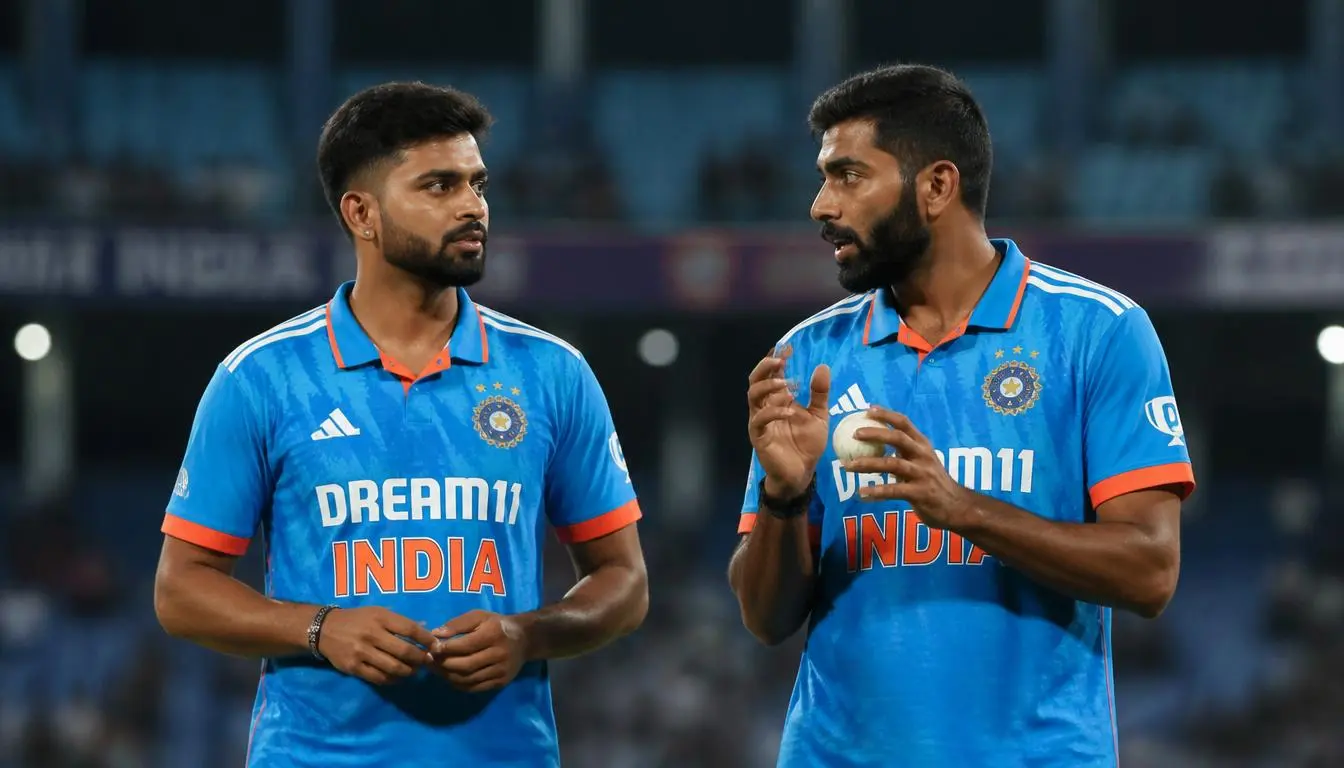
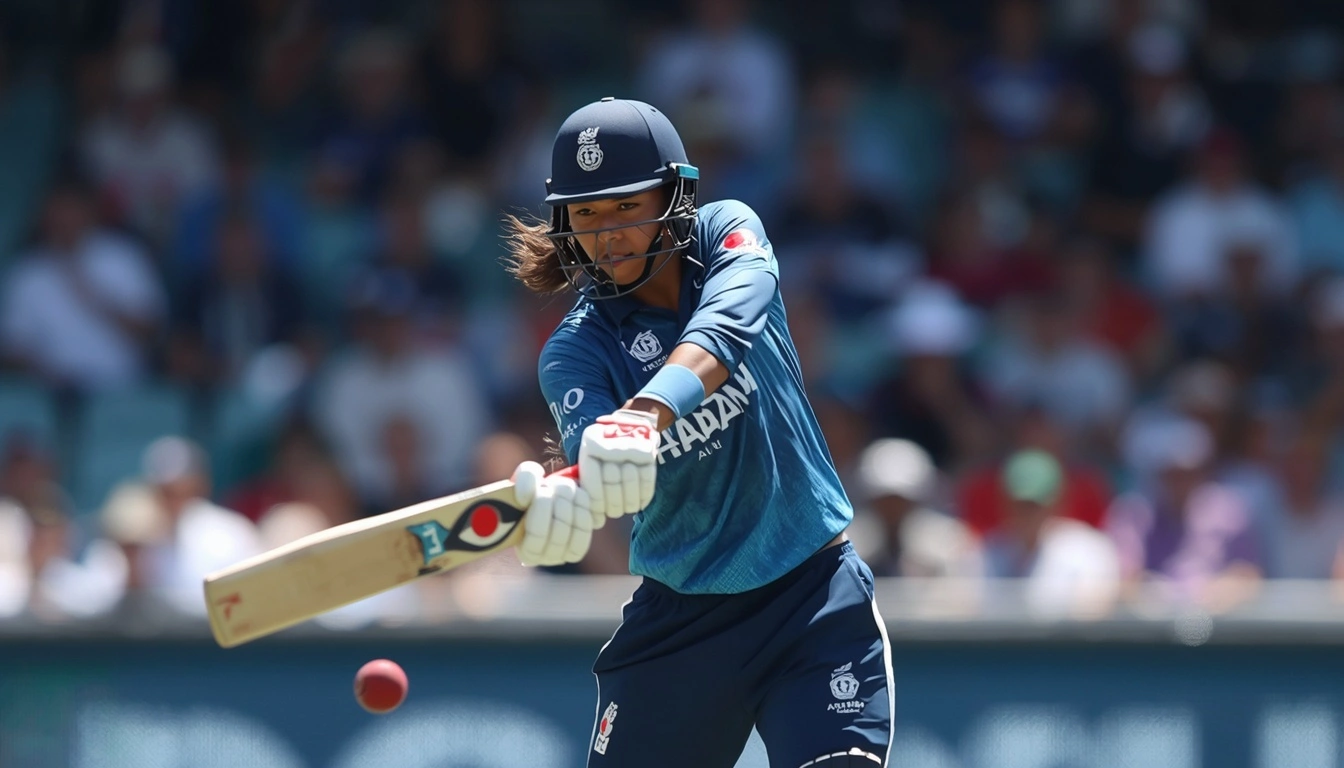
The management faces a major tactical dilemma ahead of the T20I tri-series final on September 6, 2026, following news that batsman Pretorius and fast bowler Simelane have both been ruled out due to fitness issues. Both players sustained injuries during the closing stages of the round-robin phase, leaving the squad short of key talent right before the decisive championship encounter. Medical personnel advised precautionary withdrawal after evaluating the physical state of both athletes, creating a crucial testing point for the team’s overall squad depth.
Learn more squad depth in international cricket
Details of the Injury Setbacks
Pretorius, an established presence in the batting order, suffered a groin injury during a quick single in the final group match. Groin strains are common in high-tempo T20 matches, where aggressive running between the wickets and explosive fielding movements put significant force on the adductor muscles. The medical team confirmed that Pretorius will require targeted physical therapy and rest before returning to competitive action.
Simelane, a promising fast bowler known for his pace, was sidelined by a side strain. Side strains frequently affect seam bowlers due to the intense rotation and lateral flexion of the torso during the delivery stride. Attempting to bowl through a side strain carries a high risk of long-term muscle tearing. As a result, the medical staff ordered an immediate cessation of bowling activities to prevent further aggravation.
Tactical Reshuffle Ahead of the Final
Losing two key core players drastically alters the balance of the playing XI. The coaching staff must now adjust both the top-order structure and the pace bowling distribution ahead of the T20I tri-series final.
- Batting Unit Adjustments: With Pretorius unavailable, the team must decide whether to promote a middle-order player or introduce a specialist reserve opener to maintain powerplay aggression.
- Bowling Group Strategy: Simelane’s absence leaves a void in the seam department. The captain must weigh using a secondary fast bowler against bringing in a second spinner based on pitch conditions.
- Condition Assessment: If the pitch offers early movement, a seam bowler will take priority. Conversely, a dry surface may favor an additional spin option to slow down the scoring rate during middle overs.
Read Official ICC T20 Playing Regulations.
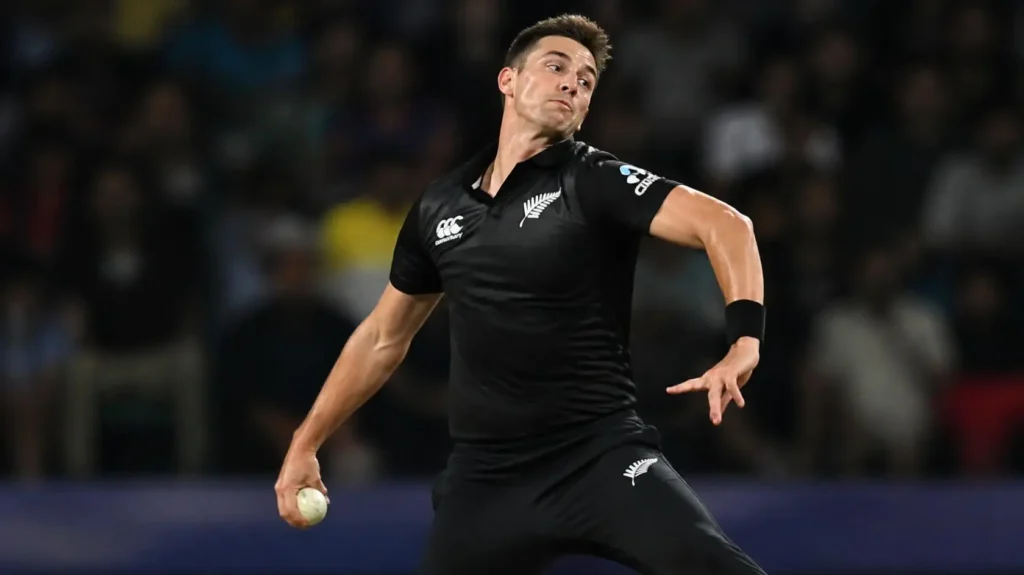
Squad Depth and Strategic Countermeasures
While full reserve lists remain unannounced, travelling reserves will step into the main squad. The team’s bench strength will directly determine its resilience during the high-pressure T20I tri-series final.
To compensate for losing a reliable run-scorer, the batting line-up may aim for a higher scoring rate during the opening six overs. In the field, bowling rotations will likely become shorter to manage physical strain and keep replacement options fresh.
The physical demands of a compressed schedule mean that workload management often dictates success. How the remaining squad members adapt to this sudden disruption will play a central role in deciding the eventual champion of the T20I tri-series final.
Frequently Asked Questions
1. Why are Pretorius and Simelane out of the T20I tri-series final?
Ans. Pretorius suffered a groin injury while running between wickets, and Simelane sustained a side strain during his bowling workload in the group stage.
2. When was the injury update officially announced?
Ans. The official confirmation was released on September 6, 2026, following evaluations by the team’s medical staff.
3. How will the team replace Pretorius in the batting order?
Ans. The management is likely to promote a bench reserve or adjust the middle order to compensate for his absence at the top.
4. Who will take over Simelane’s bowling overs?
Ans. Depending on pitch conditions, the captain will either select a reserve pace bowler or rely on additional spin overs.
5. Are groin and side strains common in T20 cricket?
Ans. Yes, the explosive sprinting, quick changes of direction, and extreme physical strain of fast bowling make groin and side injuries relatively common in short-format cricket.