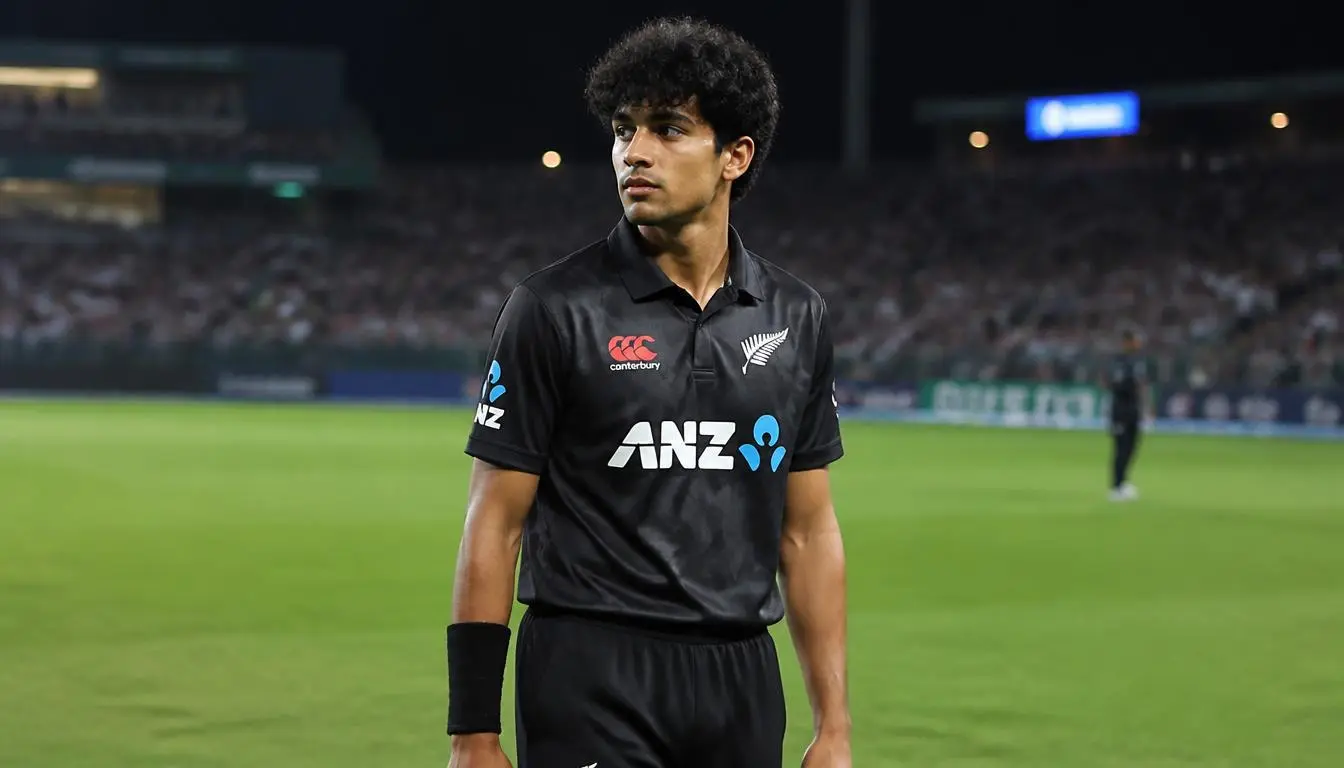
The upcoming international T20 series between India and New Zealand has seen pivotal updates unfold as India T20I squad changes take center stage following a major off-field setback. Senior New Zealand all-rounder Rachin Ravindra has been officially ruled out of the entire T20I leg after sustaining an unexpected injury during a commercial promotional shoot. Simultaneously, the Blackcaps management has added experienced speedster Adam Milne to their pace contingent to strengthen their bowling depth for the challenging tour.
These developments force both team management groups to re-evaluate tactical lineups and workload strategies ahead of an intense cricketing schedule.
Details of Ravindra’s Injury and Immediate Tactical Repercussions
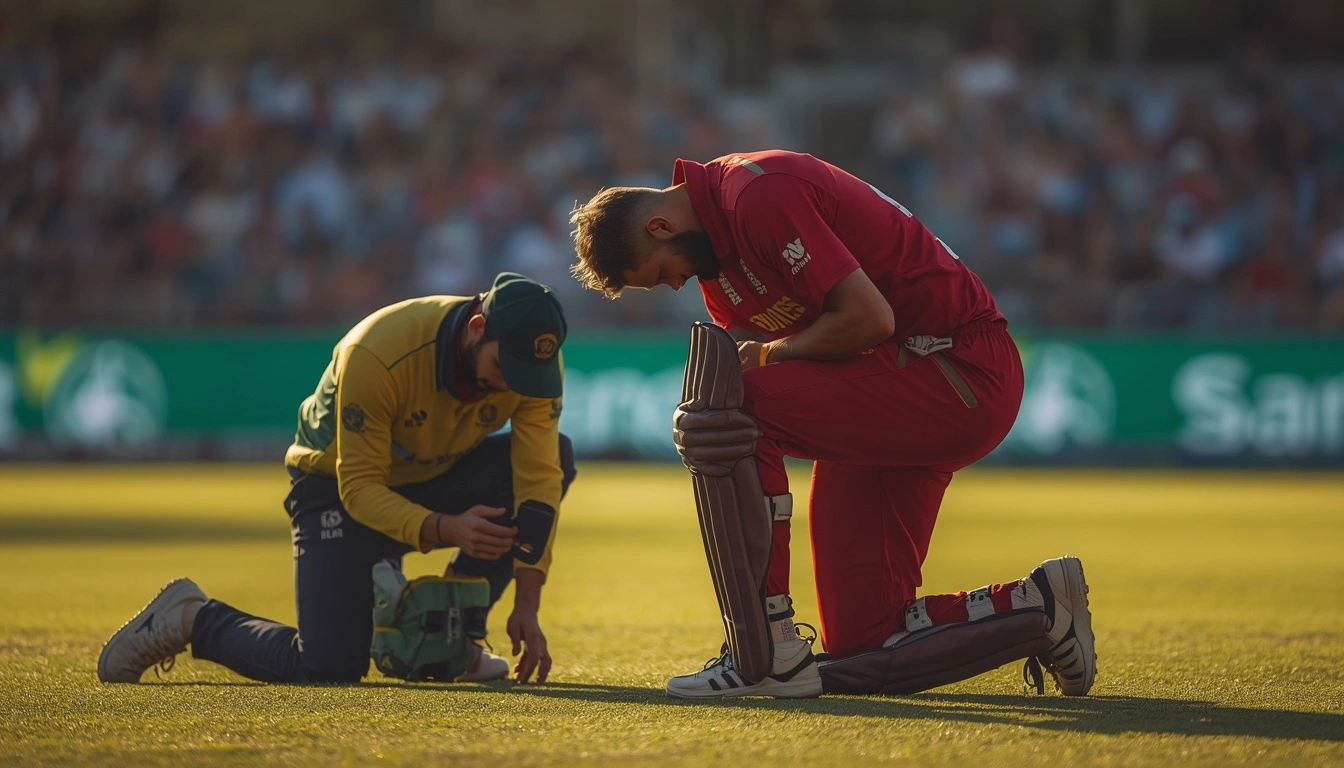
The injury occurred off the field during routine commercial commitments that modern international players regularly complete alongside their athletic duties, triggering immediate India T20I squad changes. Medical assessments subsequently confirmed that Ravindra suffered sufficient damage to prevent him from participating in any part of the upcoming short-format series.
Ravindra’s absence deprives the side of a crucial balance-provider. Capable of batting effectively in the top-and-middle order while delivering vital left-arm spin overs, his versatility allowed management greater flexibility in team selection. These unexpected India T20I squad changes leave a critical vacancy in the middle overs, requiring selectors to weigh several alternative options:
- Promoting a pure top-order batting specialist and relying on part-time options.
- Drafting a specialist spin-bowler to maintain four quality overs in subcontinental conditions.
- Selecting a utility multi-skilled cricketer capable of contributing in high-pressure situations.
Adam Milne’s Inclusion and New Zealand’s Fast-Bowling Strategy
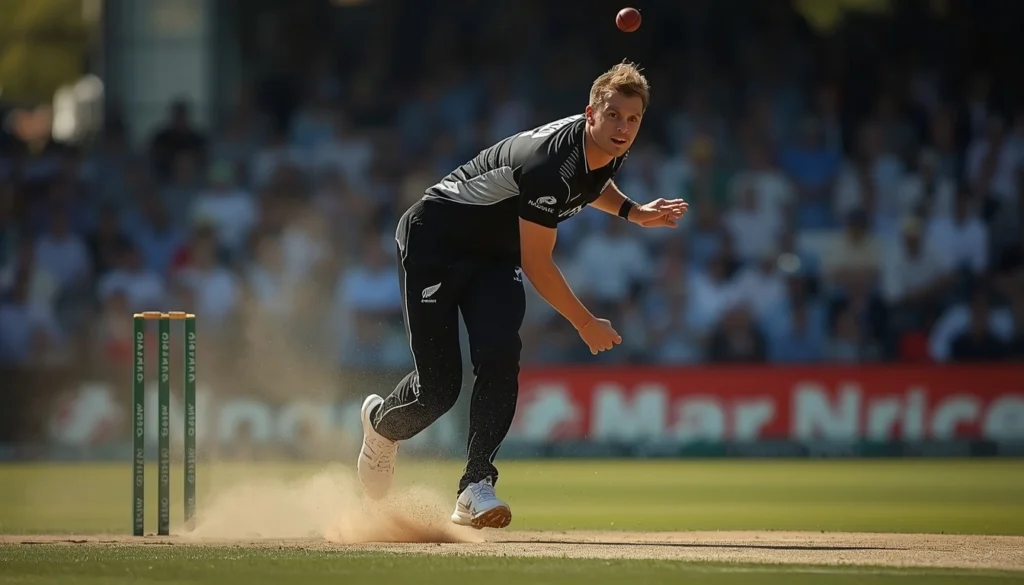
In response to the physical demands of modern multi-format schedules, New Zealand has draft-introduced express paceman Adam Milne into their squad. The inclusion of Milne expands an already formidable fast-bowling battery, giving the team executive flexibility to manage physical strain across back-to-back fixtures.
Milne brings genuine pace and extensive experience across global T20 leagues. His inclusion aligns directly with the overall philosophy governing India T20I squad changes, where pace options are rotated systematically to sustain peak intensity throughout a series.
By carrying an expanded group of fast bowlers, coaching staff can implement precise rotation schedules—protecting senior pacers from cumulative fatigue while granting younger quicks vital exposure against world-class batting lineups.
Read Official source for BCCI and NZC squad announcements.
Workload Management: The Priority in Modern Cricket
The modern cricket calendar leaves little margin for physical recovery. Between international series, domestic franchise leagues, and mandatory promotional duties, athletes undergo continuous physical strain. Consequently, athletic boards now treat proactive workload management as an essential operational discipline rather than an optional luxury.
Key pillars of modern workload strategy include:
- Expanded Touring Squads: Carrying extra bowling reserves to prevent emergency call-ups.
- Monitored Bowling Loads: Using wearable GPS and biometric telemetry to track high-speed overs.
- Planned Rest Intervals: Periodically resting primary bowlers regardless of match significance.
The strategic integration of players like Milne demonstrates how high-performance units absorb injuries while preserving the long-term fitness of key personnel.
Strategic Impact on Team Composition and Match Tactics
The disruption caused by Ravindra’s injury and the concurrent expansion of the pace bowling attack will directly influence match tactics throughout the series.
Without Ravindra to bridge the gap between specialist batters and frontline bowlers, the playing XI structure requires clear adjustment. The captain will no longer have the luxury of a seamless sixth-bowler option who doubles as a top-six batter. Conversely, the arrival of Milne provides a diverse fast-bowling arsenal that can be tailored dynamically to match pitch conditions, boundaries, and specific opposition matchups.
Read T20 tactics and squad strategies toour relevant article about cricket tactical analysis.
Conclusion
The latest India T20I squad changes underline the complex realities of modern professional sports. Rachin Ravindra’s unfortunate injury during a promotional commitment highlights the unforeseen physical risks players face beyond the boundary rope. Meanwhile, Adam Milne’s entry demonstrates how modern teams leverage squad depth to stay competitive. As the series approaches, fans can expect both teams to rely heavily on tactical adaptability and smart squad management to navigate these changes effectively.
Frequently Asked Questions
1. Why was Rachin Ravindra ruled out of the T20I series?
Ans. Rachin Ravindra was ruled out after sustaining an injury during a commercial promotional shoot prior to the start of the T20I series.
2. Who has been added to the fast-bowling group for the series?
Ans. New Zealand fast bowler Adam Milne has been added to the fast-bowling contingent to provide pace depth and workload rotation options.
3. How do team management strategies handle modern cricket schedules?
Ans. Teams utilize expanded squad sizes, systematic pace-bowler rotation, biometric monitoring, and planned rest intervals to protect player health across tight schedules.
4. What tactical challenge does Ravindra’s injury create for his team?
Ans. His absence removes a key multi-skilled option, forcing management to choose between adding a specialist batter, an extra spinner, or a general utility cricketer.
5. Will Adam Milne play in every match of the T20I series?
Ans. Not necessarily; Milne’s inclusion is part of a broad pace-rotation strategy designed to manage bowling workloads across the series depending on conditions and fitness.