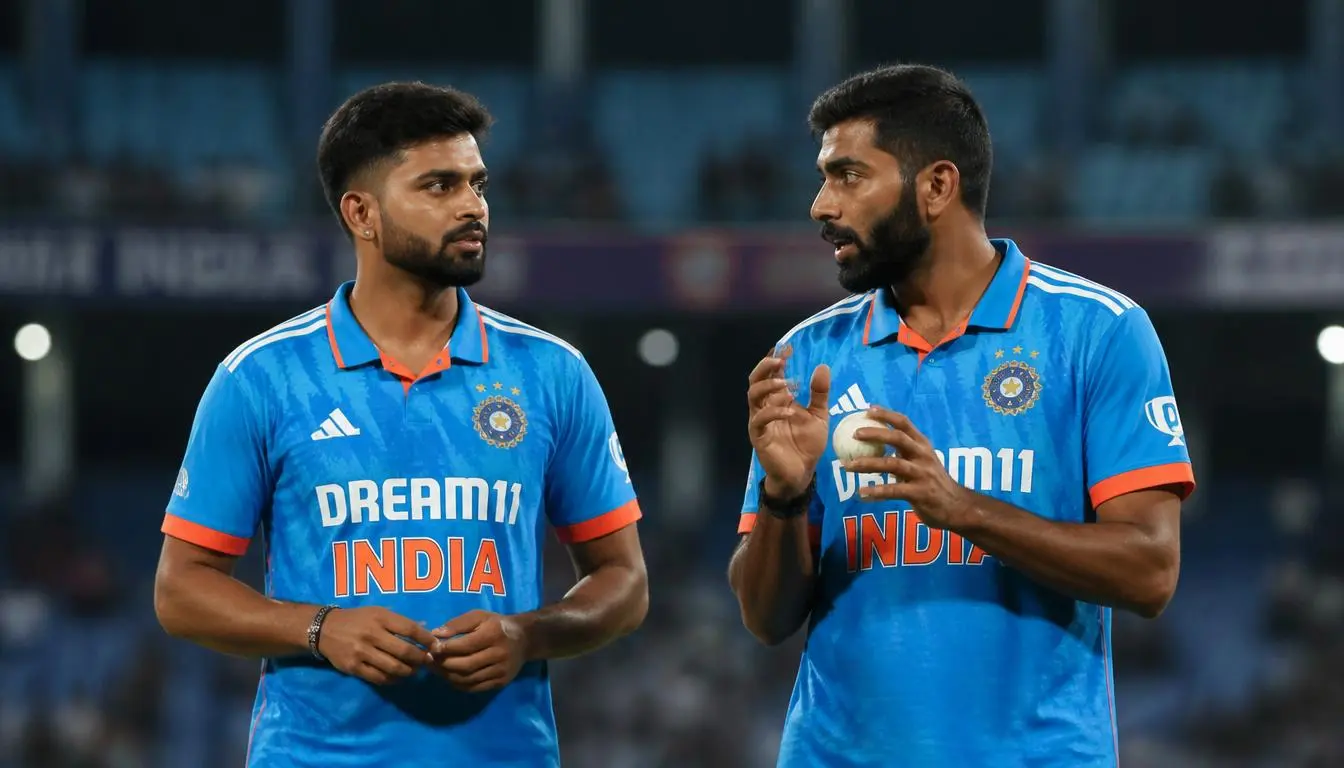
The Indian women’s cricket team secured its path forward in the tournament despite recurring India Women fielding errors, as senior all-rounder Deepti Sharma emphasized team resilience following a tense Women’s T20 Asia Cup semi-final against Bangladesh. Speaking to reporters on September 11, 2026, Sharma downplayed concerns regarding the defensive lapses that have plagued India’s campaign, while maintaining that the identity of their final opponent—whether Pakistan or Sri Lanka—remains irrelevant to the team’s ultimate objective.
India’s recent performances in knockout cricket have drawn intense scrutiny from experts and fans alike. While the bowling and batting units have consistently delivered under pressure, frequent dropped catches and misfields have threatened to undermine the team’s dominance. Sharma’s measured assessment provides crucial insight into how the squad intends to recalibrate ahead of the championship clash.
Analyzing the Impact of India Women Fielding Errors in Knockout Matches
In the fast-paced environment of T20 international cricket, small mistakes often carry massive consequences. The semi-final encounter highlighted a ongoing pattern of India Women fielding errors, where missed run-out opportunities and boundary lapses allowed Bangladesh to build unnecessary momentum. In limited-overs formats, a single dropped catch can alter the run rate and shift the psychological advantage entirely toward the opposition.
Read Indian team’s recent tournament performances to a relevant SportsZa article about International Cricket.
When fielding lapses recur during high-pressure knockout games, the burden on front-line bowlers intensifies significantly. Bowlers are forced to adjust their lines, often playing more defensively to compensate for extra runs conceded in the outfield. Sharma candidly acknowledged the nature of these blunders without panicking, framing them as occasional hazards of the sport rather than systemic flaws.
“I think that it will be a day here or a day there, it happens,” Sharma stated during the post-match interaction, signaling an acceptance of human error while reaffirming confidence in the squad’s core skills.
Her deliberate calm serves a clear purpose: protecting squad morale entering a final. Rather than publicly assigning blame, senior leaders are choosing to validate the frustration while steering public focus back to collective recovery.
The Strategic Mindset: Facing Pakistan or Sri Lanka
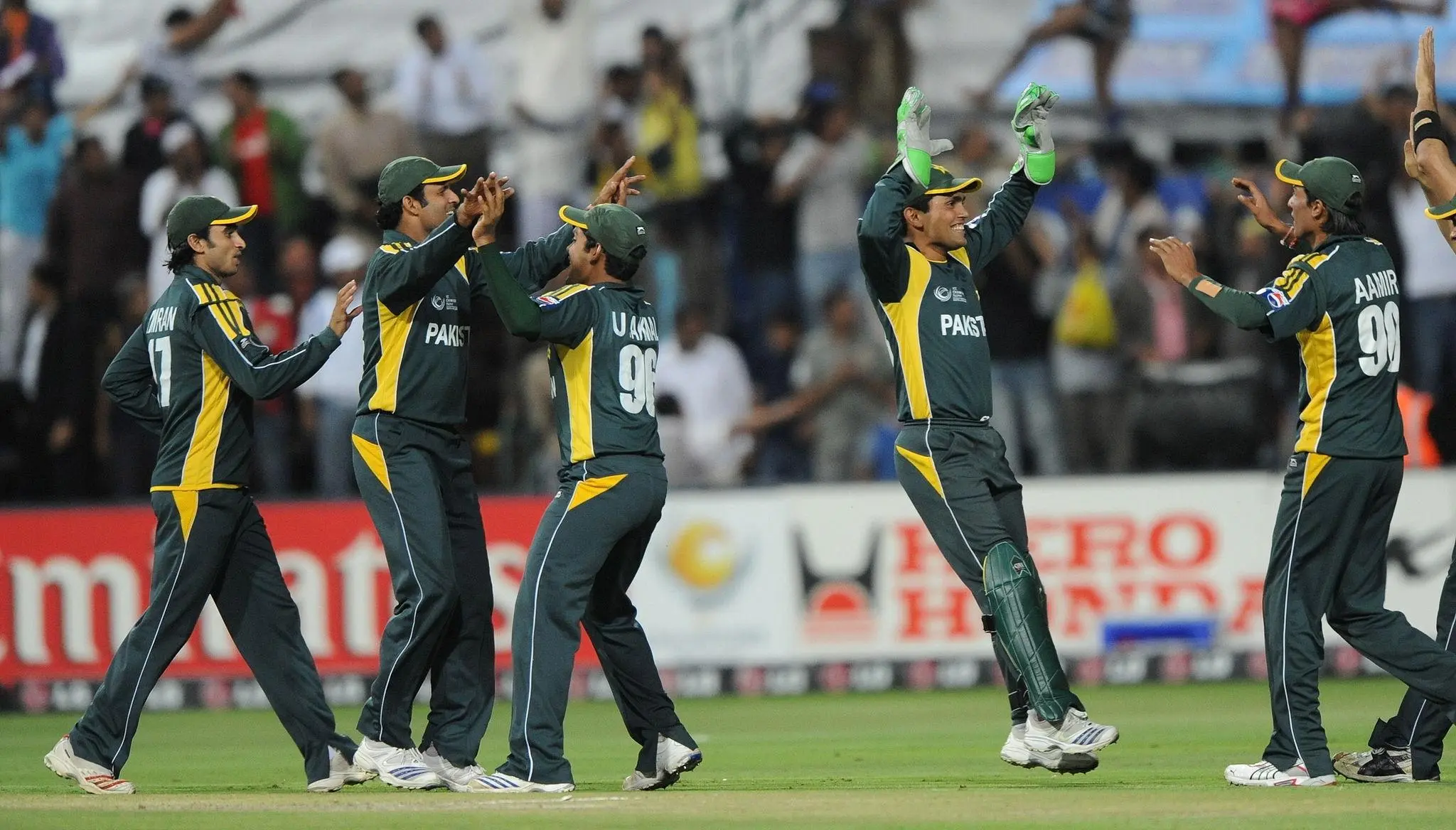
Media commentary surrounding the tournament has largely centered on the potential final matchup, debating whether an arch-rival showdown against Pakistan or a tactical battle against Sri Lanka presents the tougher challenge. However, Sharma explicitly rejected external speculation regarding the opponent.
According to the all-rounder, whether India faces Pakistan or Sri Lanka in the title clash “doesn’t matter.” This detachment reflects a fundamental principle in elite sports management: controlling the controllable. By refusing to engage in rivalry narratives or tactical comparisons prior to the final lineup being set, India’s support staff and senior players aim to minimize external noise.
Read Official source for this information.
Focusing heavily on an opponent before refining basic execution can be detrimental. Whether confronting Pakistan’s pace attack or Sri Lanka’s spin heavy lineup, the foundational requirement for victory remains unchanged—executing fundamental cricket skills, starting with clean catching and aggressive ground fielding.
Technical Corrections and Preparation for the Final
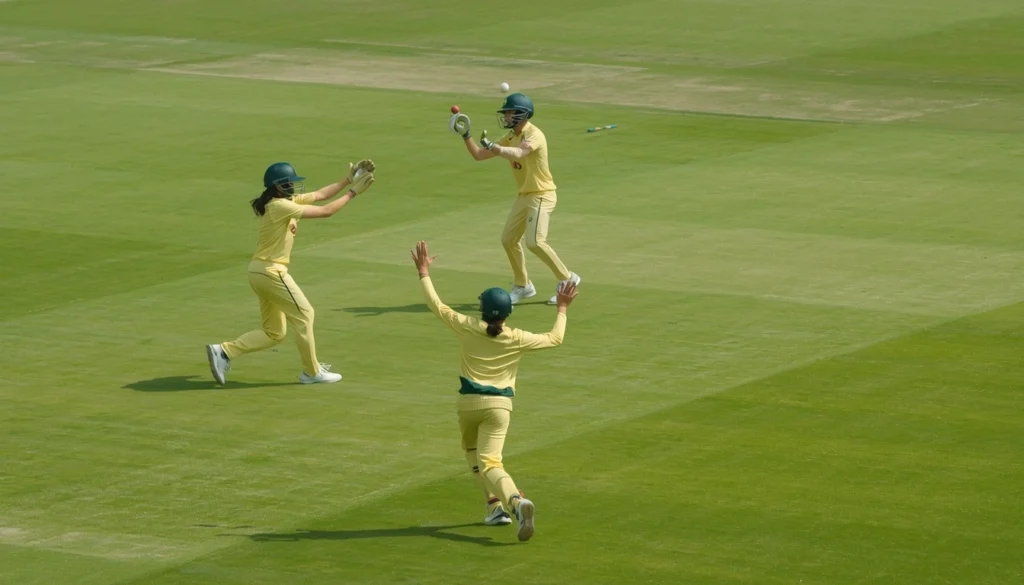
Acknowledging that India Women fielding errors occur naturally does not mean the coaching staff will overlook them. In the short turnaround before the final, intensive fielding drills, high-fielding catches under lights, and simulated pressure scenarios are expected to dominate India’s training sessions.
Read more: T20 tactical adjustments to a relevant SportsZa article about Cricket Leagues.
The primary areas requiring immediate tactical refinement include:
- Direct-hit accuracy: Improving throw precision from the inner ring to restrict quick singles.
- Communication in the deep: Eliminating misunderstandings between outfielders during high-traversing catches.
- Boundary sliding technique: Saving crucial second runs on fast outfields to maintain pressure on opposition batters.
Translating reflective press-conference statements into sharper execution on match day remains the definitive test for this side. If the Indian team rectifies these fundamental flaws, their balanced batting lineup and versatile bowling attack make them formidable favorites to lift the trophy.
Path to the Championship: Internal Focus Over External Pressure
The broader implication of Sharma’s remarks points to a mature squad attempting to navigate the psychological demands of tournament cricket. High-stakes encounters invariably produce moments of friction, but sustainable success depends on a team’s ability to isolate mistakes, address them in training, and execute cleanly when the trophy is on the line.
Ultimately, addressing India Women fielding errors is as much a mental challenge as a physical one. As the squad prepares for the grand finale, their success will not be dictated by whether Pakistan or Sri Lanka stands in the opposite dugout, but by their ability to clean up their fielding and play clinical cricket when it matters most.
Frequently Asked Questions
1. What did Deepti Sharma say regarding India Women fielding errors after the semi-final?
Ans. Deepti Sharma acknowledged the fielding lapses by stating that bad days happen (“a day here or a day there”) in cricket, emphasizing that the team remains confident and focused on self-improvement.
2. Who will India play in the Women’s T20 Asia Cup final?
Ans. India’s final opponent was set to be determined by the semi-final outcome between Pakistan and Sri Lanka.
3. Why are fielding errors particularly critical in T20 knockout matches?
Ans. In T20 cricket, minor fielding mistakes like dropped catches or misfields instantly yield momentum, concede extra runs, and increase tactical pressure on the bowling unit during crucial phases.
4. How is the Indian coaching staff addressing the fielding lapses?
Ans. The team is expected to conduct targeted fielding sessions focusing on high catches, communication in the outfield, and direct-hit accuracy prior to the championship match.
5. Did Deepti Sharma express a preference between playing Pakistan or Sri Lanka in the final?
Ans. No, Sharma explicitly stated that the identity of the final opponent “doesn’t matter,” reaffirming that India’s primary focus is internal execution rather than the opposition.