In modern limited-overs cricket, powerplay rules in cricket shape the early phases of an innings and add a crucial tactical layer for both teams. Whether you are a fan watching the action unfold or a player preparing for a match, understanding how these regulations operate is essential for analyzing modern gameplay. This guide breaks down the definition of a powerplay, the specific field restrictions for One Day Internationals (ODIs) and Twenty20 Internationals (T20Is), the absence of restrictions in Test cricket, and how teams adapt their strategies to maximize performance under International Cricket Council (ICC) regulations.
What Is a Powerplay in Cricket?
A powerplay is a designated block of overs during an innings in limited-overs formats where strict fielding restrictions are enforced to favor the batting side. The primary objective of these rules is to create scoring opportunities, boost early match intensity, and maintain a competitive balance between bat and ball.
Within the broader governance of international cricket, the powerplay rules in cricket function alongside standard playing conditions established by the ICC. By limiting how many fielders can stand near the boundary rope, powerplays encourage batters to take calculated risks while forcing captains and bowlers to adapt their field setups.
Powerplay Regulations in One Day Internationals (ODIs)
Read Net Run Rate in Cricket” to our relevant article about Net Rin Rate (NRR).
In 50-over ODI matches, the fielding restrictions are divided across three distinct phases totaling 50 overs. Each phase dictates a different limit on fielders permitted outside the 30-yard (27.4-meter) circle.
1. First Powerplay (Overs 1 to 10)
- Status: Mandatory Powerplay.
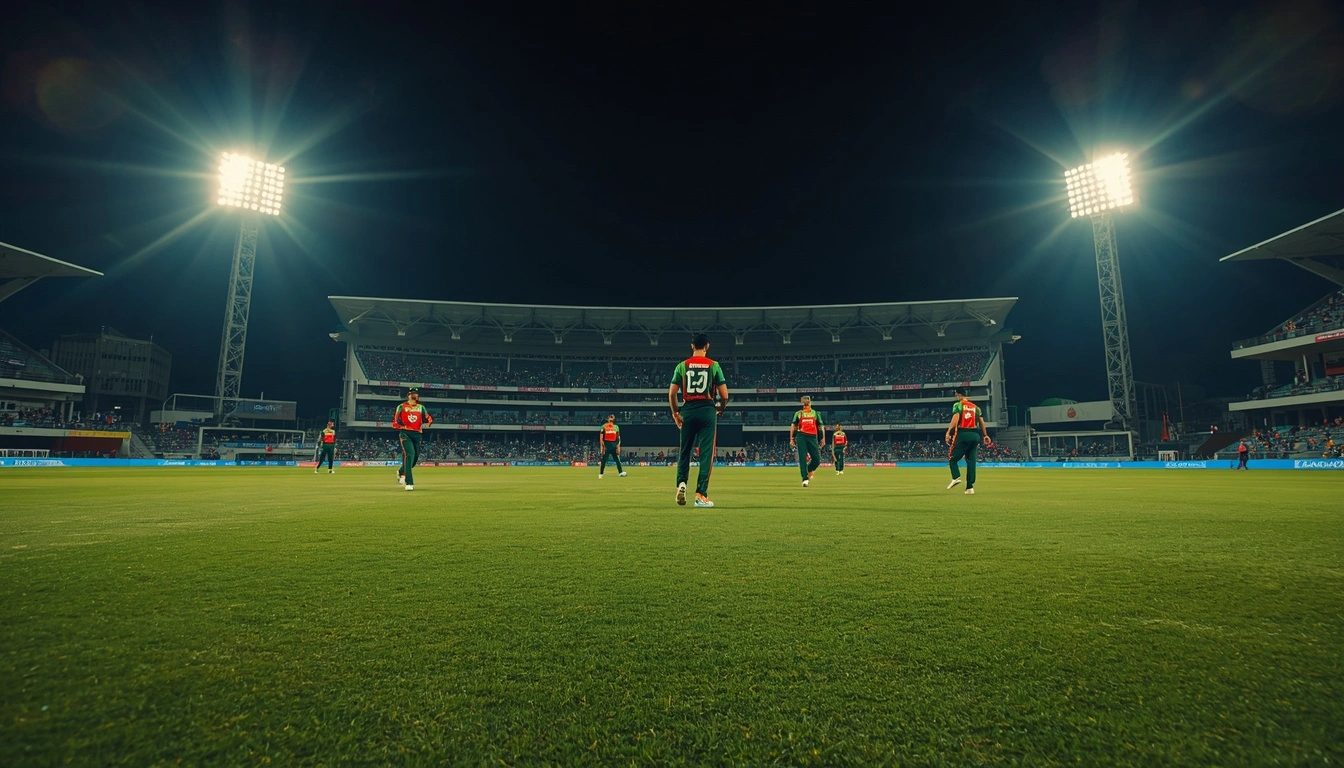
- Fielding Limit: A maximum of two fielders are allowed outside the 30-yard circle.
- Tactical Objective: Opening batters aim to utilize the vacant outfield by finding early boundaries, while fast bowlers attempt to swing the new ball and take early wickets with attacking fielders set in the slips.
2. Second Powerplay (Overs 11 to 40)
- Status: Middle Phase.
- Fielding Limit: A maximum of four fielders are allowed outside the circle.
- Tactical Objective: The batting side focuses on strike rotation and building partnerships, while spin and seam bowlers aim to control the run rate and break key stands.
3. Third Powerplay (Overs 41 to 50)
- Status: Death Overs Phase.
- Fielding Limit: A maximum of five fielders are allowed outside the circle.
- Tactical Objective: Batters unleash aggressive death-overs hitting, while bowlers rely on yorkers, slower balls, and wide deliveries to restrict scoring.
Powerplay Rules in Twenty20 Internationals (T20Is)
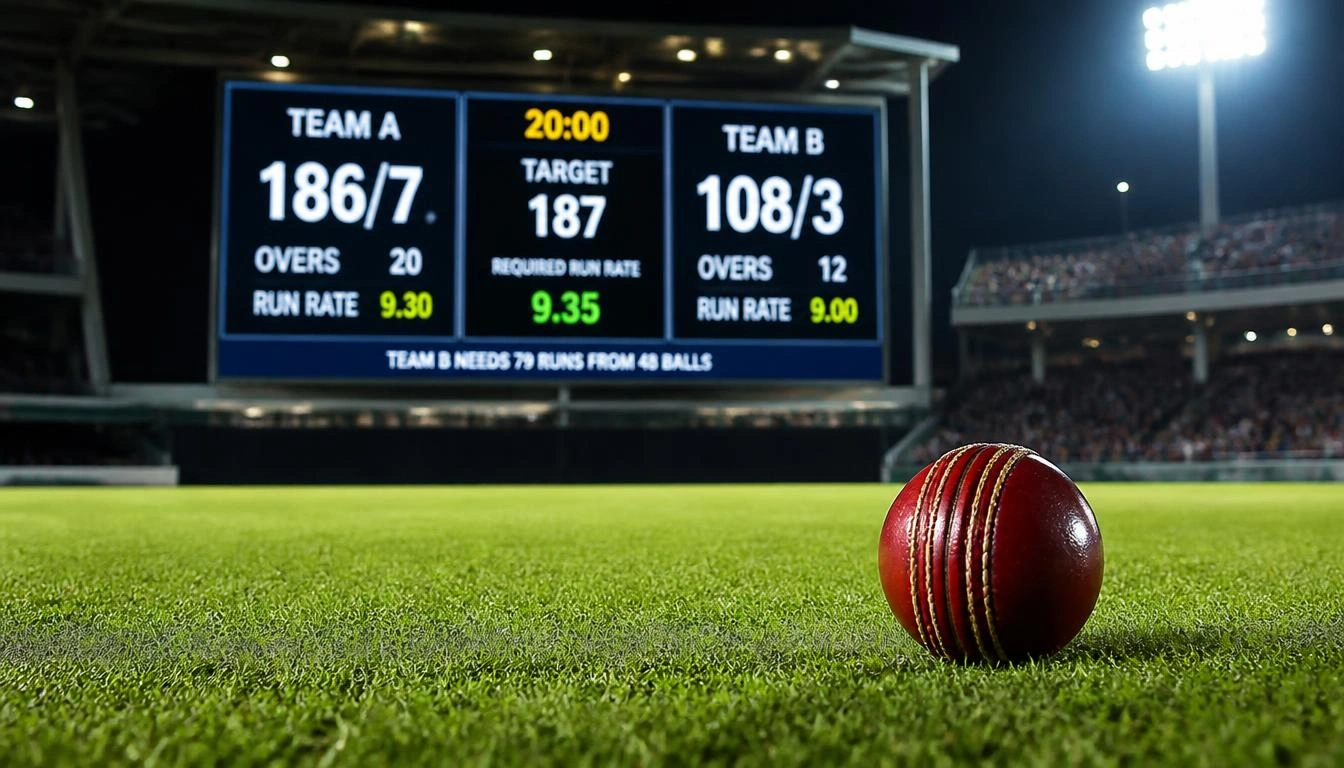
T20 cricket condenses fielding restrictions into a single, high-intensity six-over block at the beginning of each innings.
- Overs Allocation: Overs 1 through 6 of a standard 20-over innings.
- Fielding Limit: A maximum of two fielders (not four) are permitted outside the 30-yard circle during international T20 matches under standard ICC rules. (In overs 7–20, up to five fielders can be placed outside the circle).
This strict boundary restriction during the opening six overs prompts opening batters to attack immediately, leading to high-scoring starts and thrilling boundary hits.

Why Is There No Powerplay in Test Cricket?
Test cricket does not employ powerplay rules in cricket. As the longest format of the game, red-ball cricket allows fielding captains complete freedom to set field placements anywhere on the ground at any point during a match, subject only to general fielding rules (such as no more than five fielders on the leg side).
Test matches prioritize endurance, long-term tactics, and technical skill over short, forced bursts of aggressive scoring.
Key Differences Across Formats
Understanding the implementation of powerplay rules in cricket across formats highlights clear structural differences:
| Format | Powerplay Overs | Max Fielders Outside 30-Yard Circle | Primary Tactical Focus |
| ODI | Overs 1–10 (P1) Overs 11–40 (P2) Overs 41–50 (P3) | 2 fielders (P1) 4 fielders (P2) 5 fielders (P3) | Phased innings pacing, wicket preservation, and late acceleration. |
| T20I | Overs 1–6 | 2 fielders | Immediate aggression, boundary targeting, and quick runs. |
| Test | None | Unlimited (Subject to basic field rules) | Defensive balance, slip cordons, and long-term setup. |
Strategic Impact on Batting and Bowling Units
The introduction and refinement of powerplay rules in cricket have transformed modern tactical approaches.
Batting Tactics
- Exploiting Gaps: Batters target lofted shots over mid-on, mid-off, and cover, knowing fielders are brought inside the circle.
- Strike Rotation: Balancing risky boundary attempts with quick singles ensures steady scoreboard pressure.
- Risk Management: While early boundaries build momentum, losing multiple wickets in the powerplay often slows down the overall innings projection.
Bowling Tactics
- Line and Length Control: Bowlers focus on immaculate line and length to prevent batters from getting underneath the ball.
- Pace Variation: Employing knuckleballs, off-cutters, and yorkers disrupts the batter’s timing.
- Attacking Fields: Captains use slip catchers in the opening overs to turn aggressive shots into catching opportunities.
Read official ICC playing conditions to the official ICC cricket rules documentation.
Conclusion
Mastering the powerplay rules in cricket provides deeper insight into how limited-overs matches are won and lost. From the three-phase structure in 50-over ODIs to the explosive six-over opening stretch in T20Is, these field regulations shape captaincy decisions, batting intent, and bowling execution. As white-ball formats continue to evolve, the strategic interplay during powerplay overs remains one of the most exciting aspects of modern cricket.
Frequently Asked Questions
1. How many powerplay overs are there in an ODI match?
Ans. In a standard 50-over ODI, there are three powerplay phases: Powerplay 1 (Overs 1–10), Powerplay 2 (Overs 11–40), and Powerplay 3 (Overs 41–50).
2. How many fielders are allowed outside the circle in a T20 powerplay?
Ans. During the six-over T20 powerplay, a maximum of two fielders are allowed outside the 30-yard circle. From over 7 onwards, up to five fielders can be placed outside the ring.
3. Can powerplay rules change during a rain-affected match?
Ans. Yes. If overs are reduced due to weather interruptions, powerplay allocations are adjusted proportionally according to official ICC Duckworth-Lewis-Stern (DLS) calculations.
4. Was there ever a “Batting Powerplay” chosen by players?
Ans. Yes, in previous iterations of ODI rules, teams were granted a 5-over “Batting Powerplay” and “Bowling Powerplay” that captains could trigger between overs 11 and 40. The ICC updated this system to the current fixed three-phase structure to standardize play.
5. Are there powerplay rules in Test cricket?
Ans. No, Test cricket has no mandatory powerplay phases or restrictions on the number of fielders permitted in the outfield.