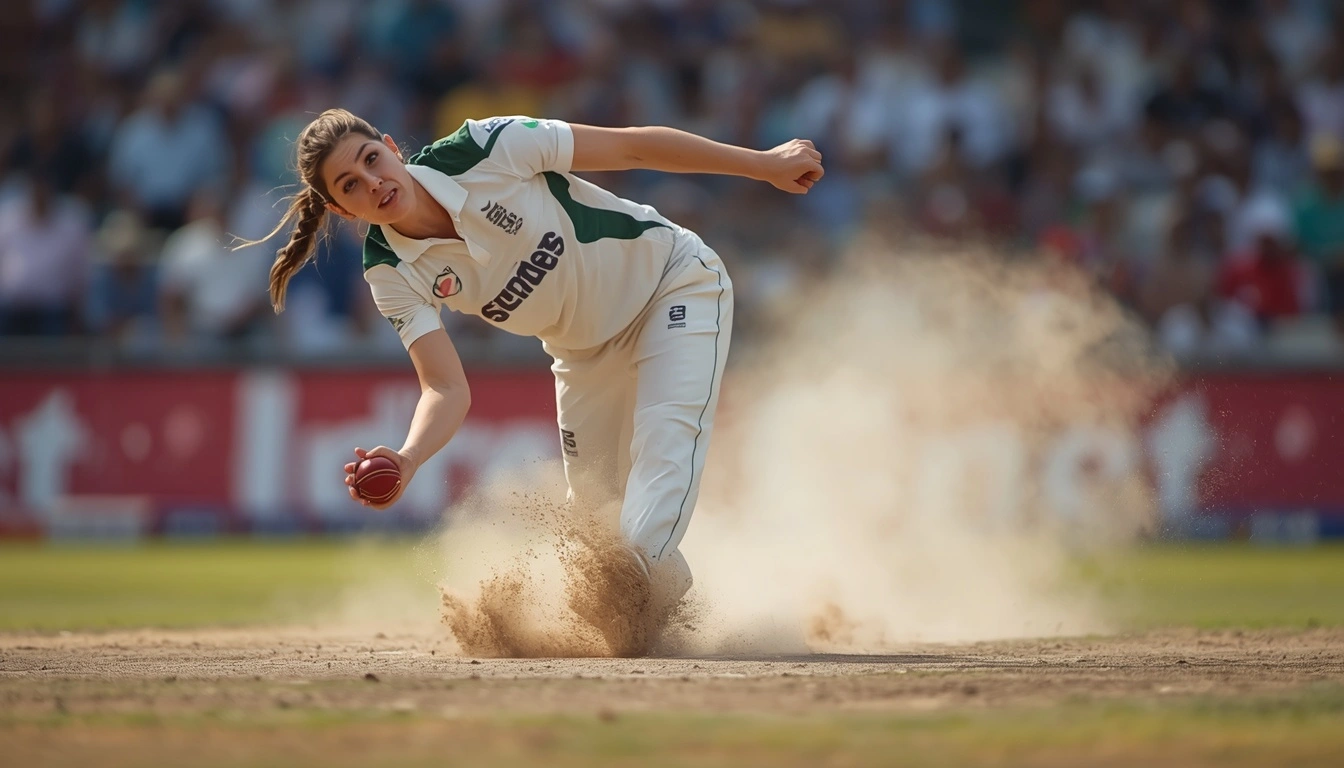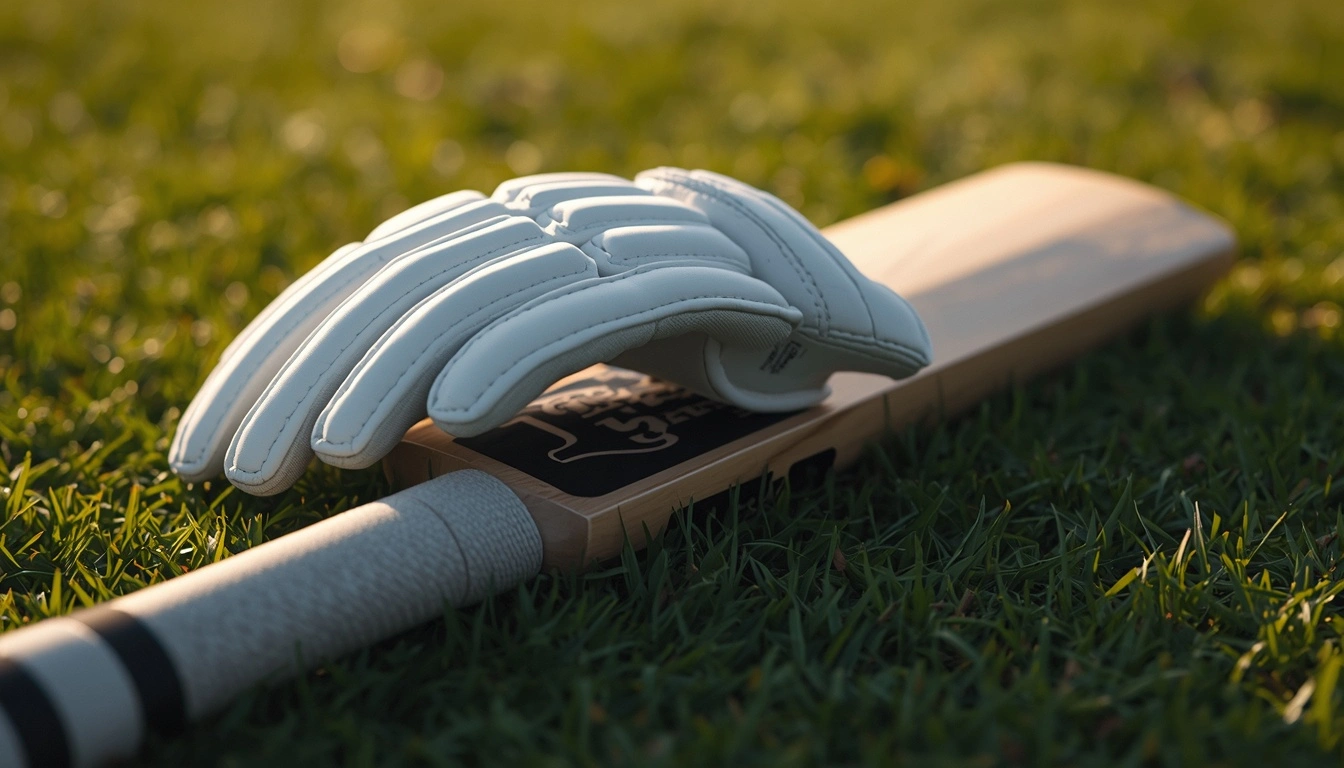
Whether you are a school-boy learning the basics or an international batsman facing express pace, selecting the best batting gloves can make a noticeable difference in your overall performance and confidence at the crease. Modern cricket ball speeds require specialized protection that prevents serious hand injuries while maintaining maximum tactile feedback. They protect the hands from impact, improve grip on the bat handle, and help maintain confidence during long innings. This guide explains what to look for, compares the main types, and offers care tips so you can pick the perfect pair and keep them performing season after season across all formats.
What Makes a Good & Best Batting Glove?
A quality glove balances several core attributes that directly affect how a batsman interacts with the bat:
- Fit – a snug yet flexible fit prevents movement that can cause blisters during extended batting sessions.
- Material – determines durability, feel, and how the glove reacts to sweat under humid playing conditions.
- Padding – absorbs shock from fast deliveries and hard edges of the bat, safeguarding knuckles and fingers.
- Grip – textured palms and reinforced fingertips help control the bat without requiring excessive fore-arm tension.
- Durability – stitching quality and material wear affect lifespan, ensuring long-term value for money.
Each factor influences comfort and performance, so the choice of the best batting gloves depends on your playing style, bowling pace faced, and environmental conditions.
Types of Batting Gloves
Gloves can be grouped by player level, handedness, and playing conditions to suit individual player requirements.
- Professional vs. Beginner – Pros often prefer premium materials and advanced grip technology, while beginners need affordable, easy-to-fit options that focus on basic protection.
- Right-handed vs. Left-handed – Most models are made for a specific hand; a few ambidextrous designs exist for practice facilities and junior kits.
- Condition-specific styles – Flat-surface gloves for hard, dry pitches prioritize maximum shock absorption, and softer, more cushioned gloves suit spin-friendly, humid environments where sweat management is critical.
Read our “Cricket Gear & Equipment” to a relevant SportsZa article about cricket equipment.
Material Breakdown
Three main material families dominate the cricket market today:
- Synthetic leather – lightweight, water-resistant, and often cheaper. Ideal for beginners, practice sessions, and wet conditions where traditional leather degrades faster.
- Genuine leather – offers a natural feel and excellent durability but requires more consistent maintenance to retain softness.
- Hybrid – combines synthetic palm with leather back (or vice-versa), aiming to blend flexible grip with structural longevity.
Padding Types
Padding technology has evolved beyond simple foam to offer localized protection against high-speed cricket ball impacts:
- Foam – provides basic shock absorption; common in entry-level gloves designed for low-velocity impact protection.
- Gel – conforms to the hand shape, offering superior impact distribution when facing high-pace bowling.
- Hybrid (foam-gel) – balances firmness and comfort, popular among experienced players who want shock protection without adding bulk.
Read Official source for this information at ICC Cricket.
Grip Options
Grip is critical for cricket grip consistency throughout a long innings in varying weather conditions:
- Textured palms – raised patterns and micro-perforated skins that prevent slipping even when hands become sweaty.
- Reinforced fingertips – extra material on the thumb and lead index finger for precise bat control and reduced wear against the grip tape.
- Ergonomic contours – molded shapes and split-finger designs that follow the natural curve of the hand, reducing hand fatigue during prolonged batting spells.
Top Features to Look For When Buying
Use this checklist to evaluate any pair of gloves you consider before purchasing:
- Accurate size and fit (see next section).
- Comfortable padding thickness appropriate for your playing level and bowling speed faced.
- High-quality stitching and reinforced seams along high-stress wear zones for durability.
- Grip-enhancing palm texture that works well with your chosen bat grip type.
- Reasonable price relative to the protective features offered.
Size and Fit
Glove size is usually based on hand circumference measured just below the knuckles. Measure both hands, note the larger value, and compare it with the manufacturer’s size chart. A well-fitted glove should feel snug but allow finger movement; it should not pinch, bunch up along the palm, or slide off during a full stroke execution.
Comfort and Flexibility
Look for gloves that mould to the hand’s natural shape over time. Some models include adjustable wrist straps or elastic towel cuffs that add wrist support without restricting range of movement. Padding thickness should match your playing frequency – thicker high-density protection for frequent, high-impact sessions against seam bowlers, thinner for lightweight feel against spin.
Durability and Construction
Stitching quality is a good indicator of overall product lifespan. Double-stitched seams and reinforced thumb areas resist tearing caused by repeated friction against the bat handle. High-grade materials like genuine sheepskin leather or high-grade synthetic leather tend to outlast cheaper alternatives, especially when cared for properly.
Price Range
Gloves fall into three broad price brackets:
- Budget – $15–$30, basic foam padding, synthetic leather construction, suitable for casual or entry-level players.
- Mid-range – $30–$60, better hybrid padding, mixed materials, enhanced palm grip for club cricketers.
- Premium – $60+, premium Pittards or calf leather, high-grade gel padding, advanced ergonomic design for semi-pro and professional players.
Remember, finding the best batting gloves is not simply buying the most expensive pair; match the specific protective features to your playing needs.
Best Batting Gloves for Different Needs
Below are generic categories rather than brand-specific recommendations, keeping the guide evergreen for cricketers of all levels.
Best for Beginners
Look for affordable cricket best batting gloves with synthetic leather, moderate foam padding, and a simple textured palm. These gloves provide essential hand protection and are easy to break in.
Best for Experienced Players
Experienced batsmen benefit from gel or hybrid padding, genuine leather or high-grade hybrid material, and reinforced lead fingertips. Advanced grip patterns help maintain a steady grip during intense competitive innings.
Best for Budget
Cost-effective options combine durable synthetic leather with reliable foam padding and a functional palm texture. They meet the essential standards of best batting gloves fit and durability without breaking the bank.
Best for Premium
Finding the best batting gloves in the top tier involves looking for premium leather construction, localized gel padding, ergonomic contouring, and moisture-wicking liners. They are designed for maximum comfort, high-speed impact absorption, and grip stability across varying pitch conditions.
How to Care for Your Batting Gloves
Proper maintenance prolongs the life of your equipment and preserves leather softness season after season.
Cleaning
After each session, wipe the palms with a clean, slightly damp cloth to remove sweat, dirt, and grip residue. For deeper cleaning, use a mild soap solution and a soft brush. Rinse lightly and avoid soaking the gloves, especially if they contain natural genuine leather.
Storage
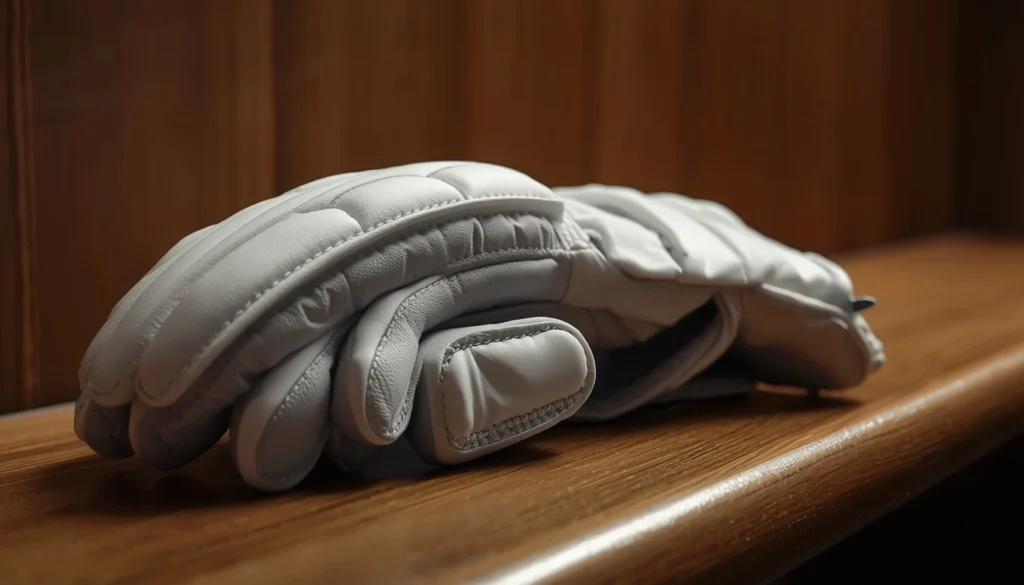
Store gloves in a cool, dry place away from direct sunlight and heater vents. Avoid folding them tightly inside your kit bag while wet; instead, lay them flat or use a glove-shaped holder to dry naturally, maintain shape, and prevent moisture buildup and odours.
Repair Tips
Minor seam splits along non-impact zones can be stitched using a strong polyester thread. If internal padding compresses permanently over time, consider adding a thin protective insert. When palm wear becomes extensive or padding shifts away from finger joints, replace the gloves to retain optimal protection.
Frequently Asked Questions
1. What is the most important factor to consider when buying best batting gloves?
Ans. The most critical factor is the overall fit, complemented by material quality, padding type, grip design, and durability. A well-fitting glove ensures comfort and effective hand protection, while the right material and padding provide shock absorption and a reliable grip.
2. How do I determine the correct glove size for my hand?
Ans. Measure the circumference of your hand just below the knuckles on the dominant hand. Compare this measurement with the manufacturer’s size chart. If you are between sizes, choose the larger for a snug yet flexible fit, and always try the glove on if possible.
3. Can batting gloves be used for both right-handed and left-handed players?
Ans. Most gloves are crafted for a specific hand—right-handed players wear gloves on the left hand and vice-versa. However, some models are marketed as ambidextrous, featuring symmetrical designs that can be worn on either hand. Ensure the glove’s orientation matches your batting hand for optimal comfort.
4. What is the difference between synthetic and genuine leather batting gloves?
Ans. Synthetic leather is lighter, water-resistant, and usually cheaper, making it ideal for beginners and wet conditions. Genuine leather offers a natural feel, superior durability, and better breathability but requires more care to prevent drying out.
5. How often should I replace my batting gloves?
Ans. Replacement depends on usage frequency and visible wear. As a rule of thumb, consider new gloves after 30–40 high-intensity sessions, or sooner if the padding loses its bounce, the palm grip feels slick, or seams begin to split.
Conclusion
Choosing the best batting gloves involves balancing fit, material, padding, grip, and durability against your individual playing level and budget. Use the checklist provided to evaluate options, measure hand dimensions correctly, and invest in proper care routines that extend glove life. With the right pair, you will enjoy better hand protection, confidence at the crease, and ultimately, stronger performances in every match.